
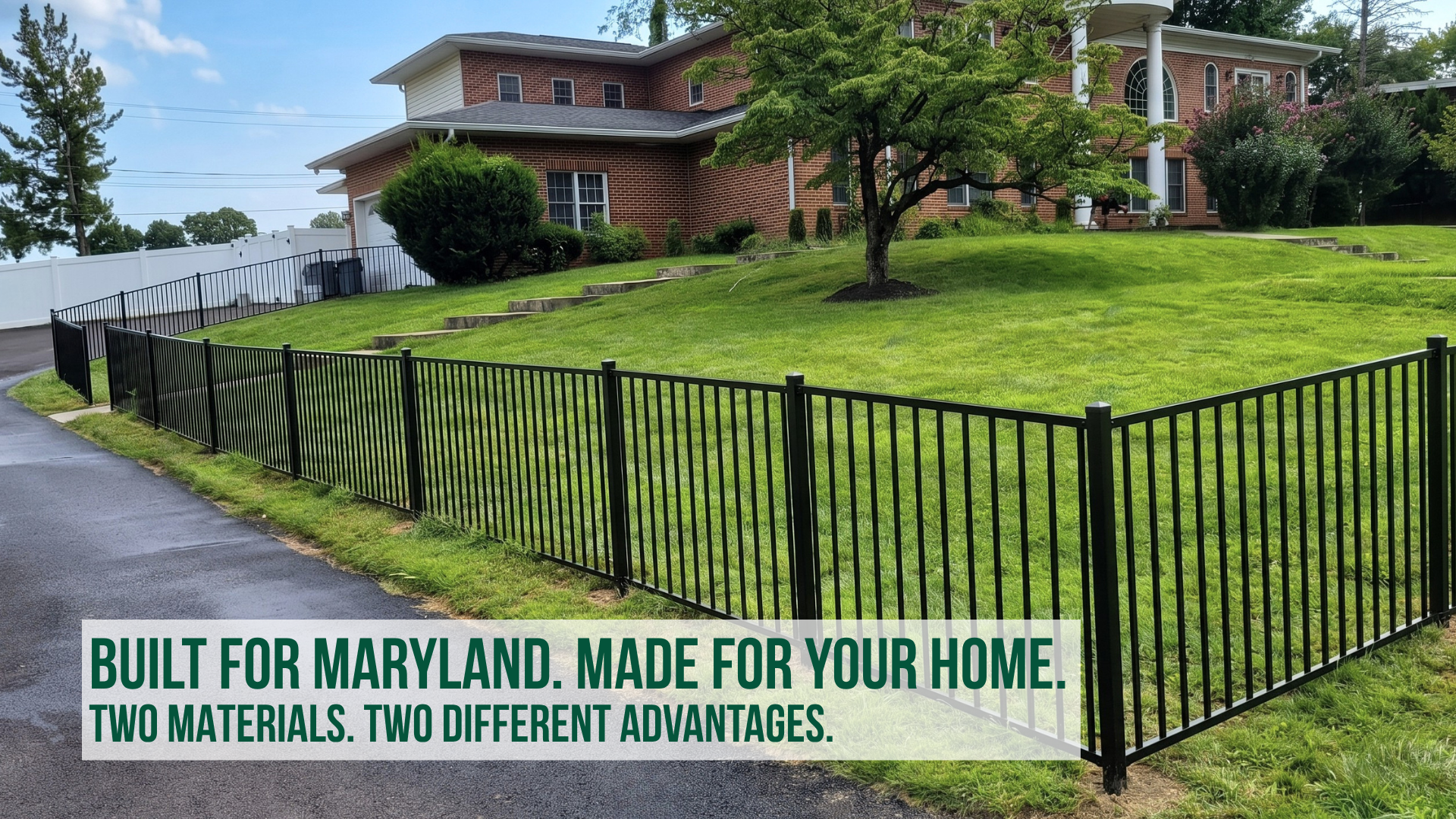
Choosing between aluminum and steel fencing is a major decision that impacts your property’s curb appeal, long-term maintenance, and upfront budget. For Maryland homes—which face humid summers, wet winters, and diverse local climates—both metals offer distinct advantages over traditional wood or vinyl.
Neither material is universally perfect. The right choice depends entirely on your specific property, the regional environment, and what you expect from the fence over its lifespan.
WHAT ARE THE MAIN DIFFERENCES?
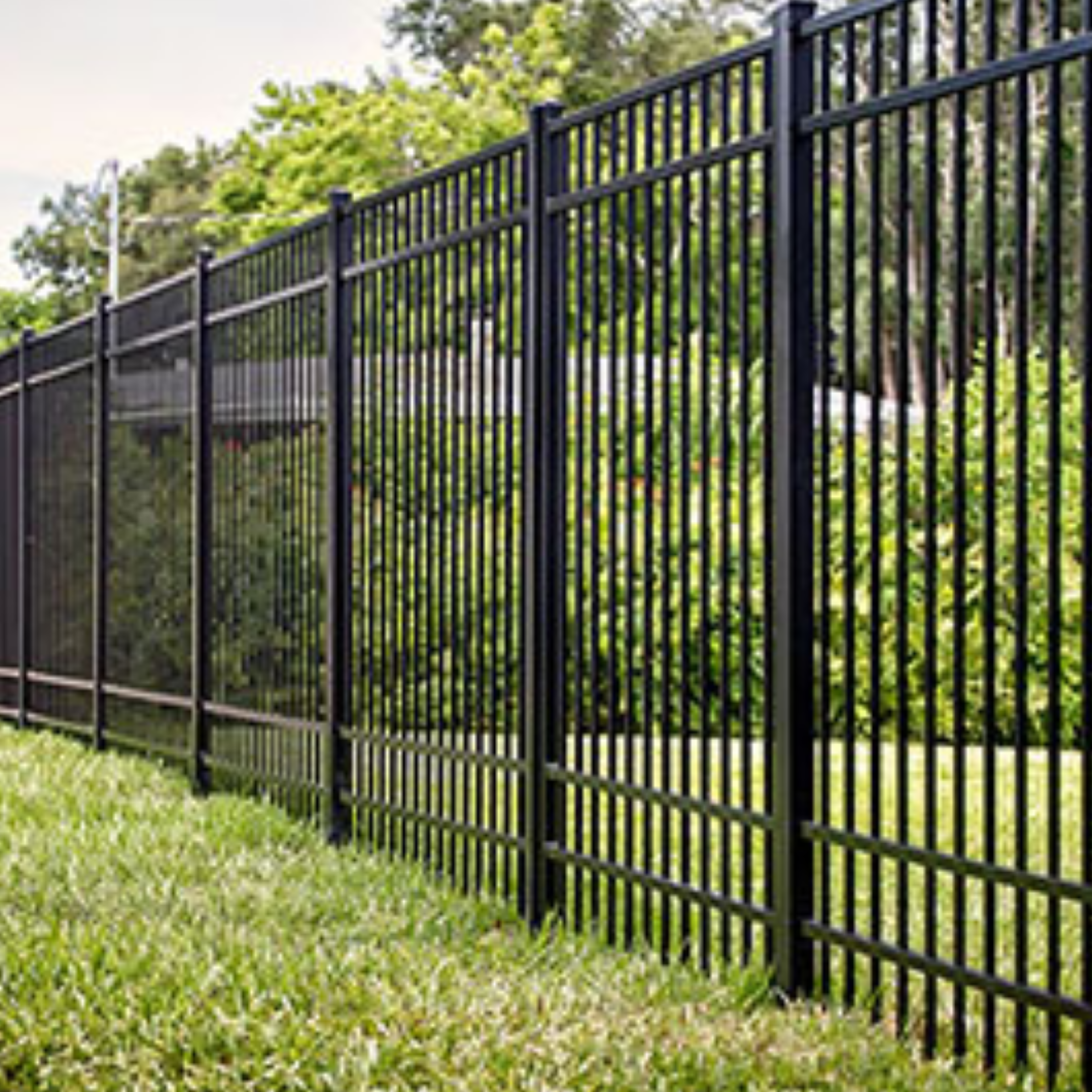
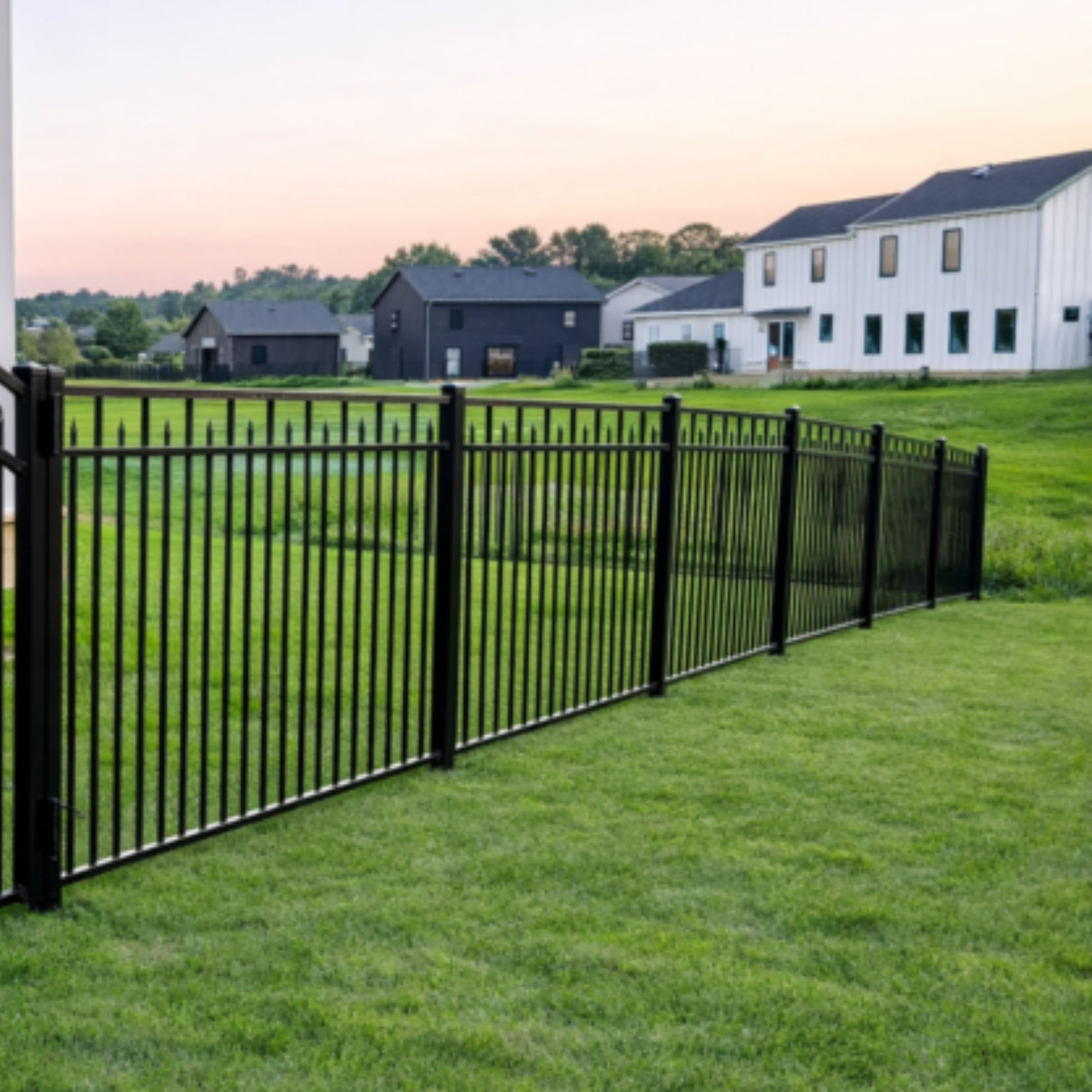
Aluminum fencing is lightweight, naturally corrosion-resistant. Because aluminum does not rust, it requires very little ongoing maintenance once it is installed and powder-coated.
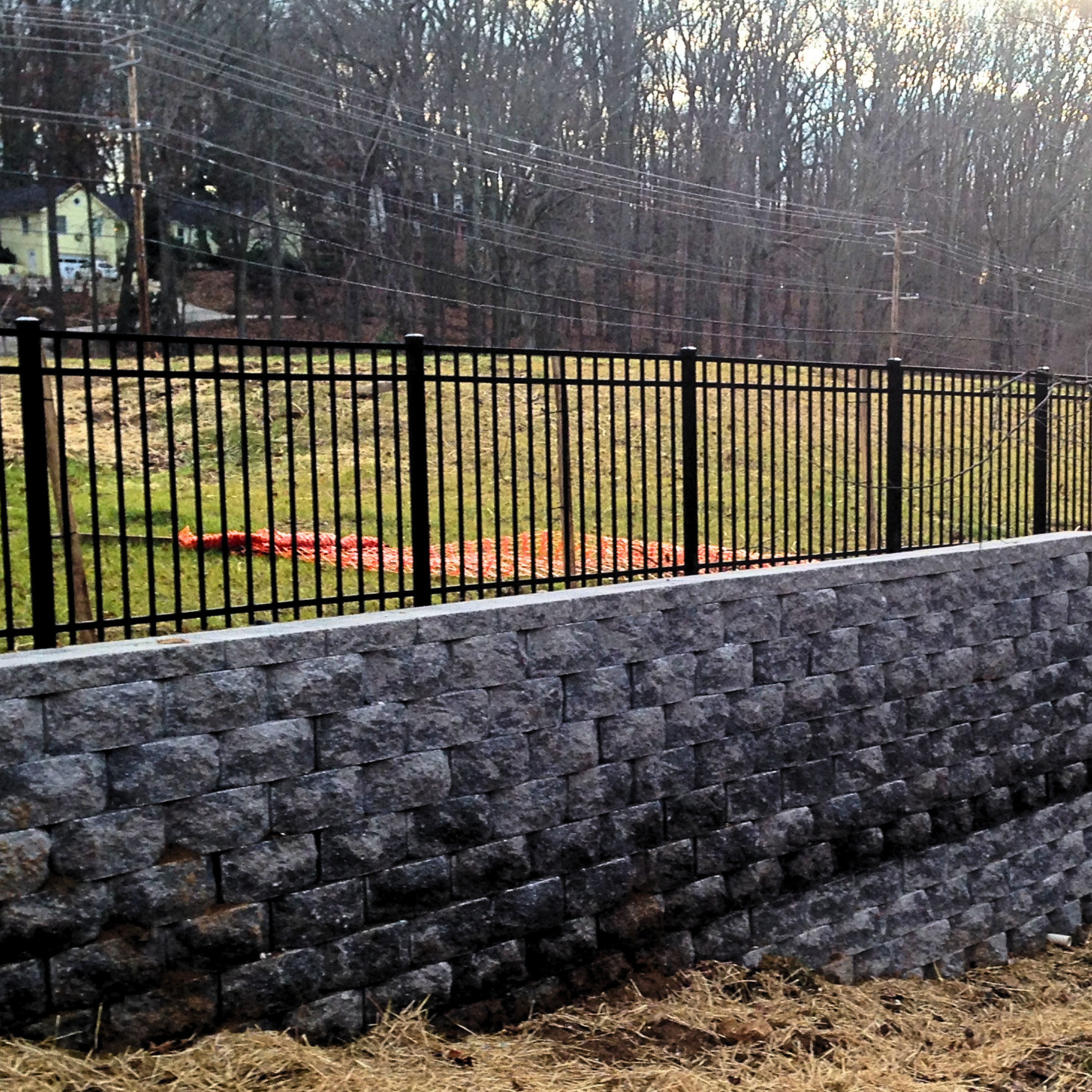
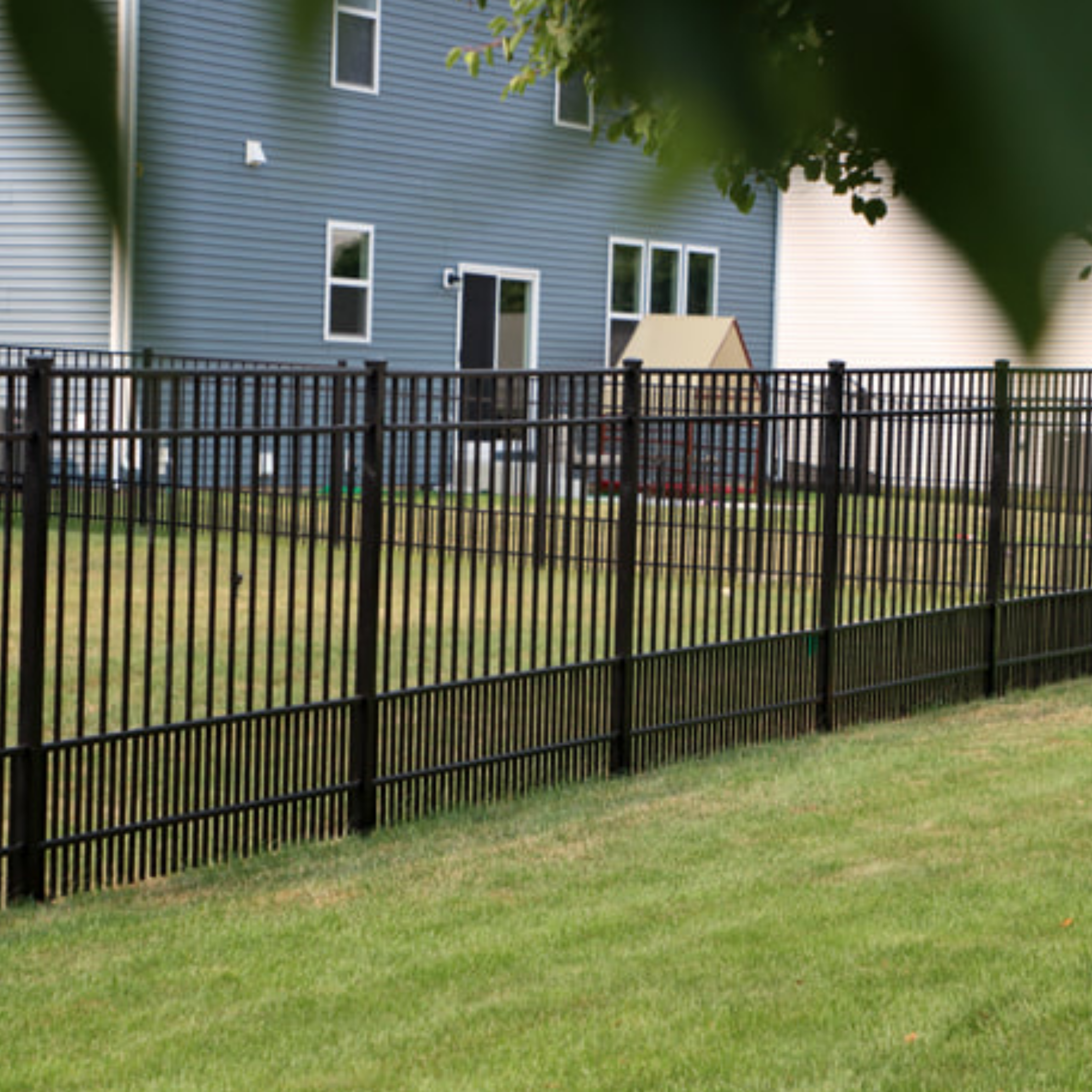
Steel fencing is significantly heavier and structurally stronger. Steel relies on a protective powder coat finish for its corrosion resistance. While this finish performs well in variable climates, it requires periodic inspection and touch-ups if chipped or worn to prevent surface rust.
ALUMINUM vs STEEL FENCING: Key Comparison
FEATURE |
ALUMINUM |
STEEL |
Average Panel Weight (6×4) |
15 – 22 lbs |
45 – 65 lbs |
Corrosion resistance |
Naturally rust-resistant |
Requires powder coat protection |
Weight |
Lightweight |
Heavy |
Structural strength |
Moderate |
High |
Maintenance level |
Low |
Low to moderate |
Automation compatible |
Yes |
Yes |









THE HEAVY LIFTING: COMPARING WEIGHT
When it comes to the physical differences:
Aluminum has a density roughly one-third that of steel. A standard 6-foot by 4-foot residential aluminum fence panel typically weighs between 15 to 22 lbs. This makes it incredibly easy to maneuver, allowing a single person to lift, position, and install the panels.
A comparable galvanized steel panel tips the scales at 45 to 65 lbs. This sheer density is what gives steel its uncompromising strength, but it drastically changes the installation process. Maneuvering steel panels requires a minimum of two people and puts significantly more strain on the posts during installation.
MARYLAND’S 30-INCH FROST LINE: STEEL VS. ALUMINUM
Maryland’s freeze-thaw cycles can cause the ground to expand and contract around fence posts. Across Abbey Fence & Deck’s service areas—including Baltimore City, Baltimore County, Harford County, Howard County, and Anne Arundel County—the frost line is generally around 30 inches below finished grade, making proper footing depth important for a stable installation.
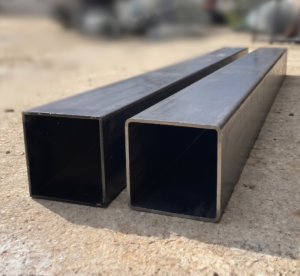 Steel fencing provides excellent strength but is heavier and more vulnerable to corrosion if its protective coating is damaged, particularly where the post meets damp soil. Properly sized concrete footings help support the added weight and resist seasonal ground movement.
Aluminum fencing offers similar durability with the added benefit of being naturally rust-resistant. Its lighter weight puts less load on the footing, while proper installation below the frost line helps prevent shifting and heaving.
For Maryland homeowners, both materials can perform well when properly installed. The right choice comes down to your priorities—strength and security with steel, or lightweight, low-maintenance performance with aluminum.
REGIONAL RECOMMENDATIONS in MARYLAND
Maryland’s diverse geography means a fence that thrives in one county might struggle in another.
Coastal and Bay Areas (Annapolis, Eastern Shore, Ocean City, Southern Maryland)
-
-
The salty marine air, frequent coastal storms, and high humidity levels along the Chesapeake Bay and the Atlantic coast are incredibly tough on steel. Even with a high-quality powder coat, a minor scratch from flying debris or lawn equipment can quickly lead to aggressive rust in these environments. Aluminum’s natural oxide layer makes it practically immune to this type of salt-accelerated corrosion, making it the clear winner for waterfront properties.
-
Inland, Historic, and Urban Areas (Baltimore, Frederick, Owings Mills, Bethesda)
-
-
-
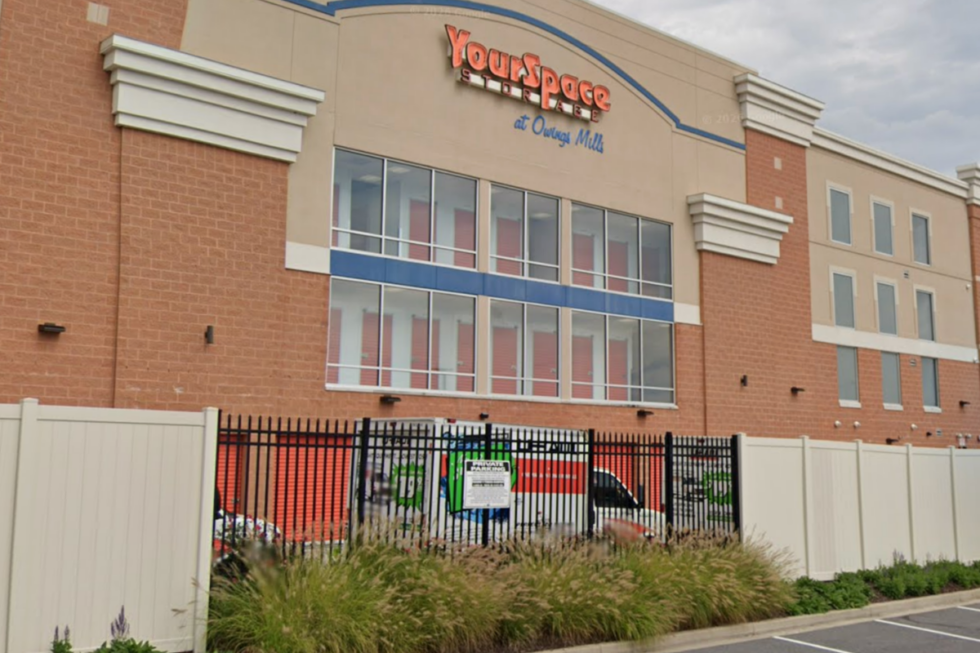
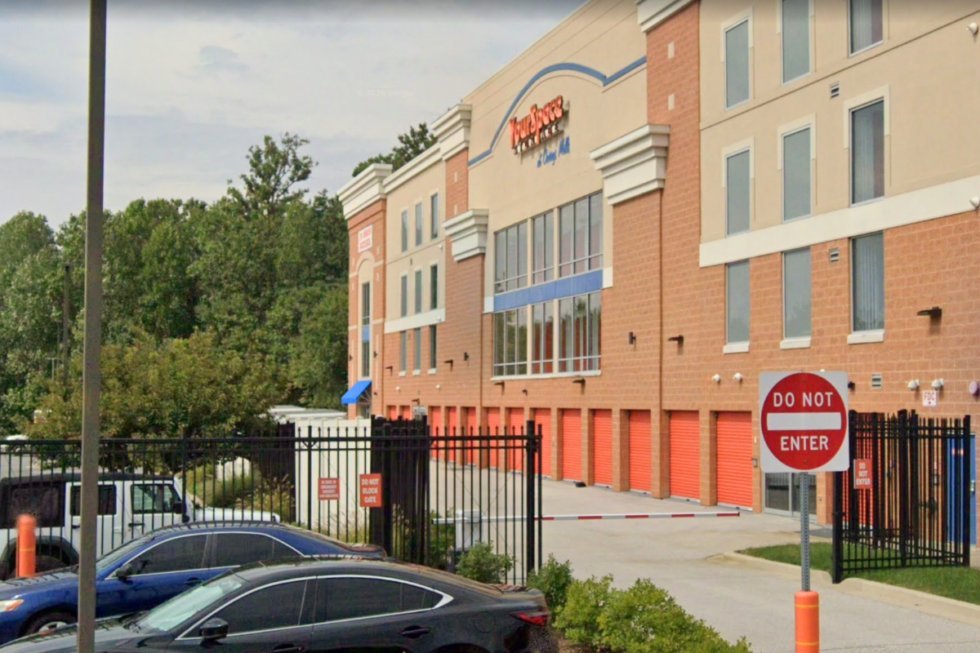
Further inland, salt exposure is minimal, allowing steel’s protective coatings to last significantly longer. In historic districts or established neighborhoods, the commanding visual weight and traditional profiles of steel match classic architecture perfectly. Additionally, for high-traffic areas or commercial applications where impact resistance is necessary—such as the sturdy installations at Your Space Storage in Owings Mills—steel provides unmatched structural rigidity.
-
-
CHOOSE ALUMINUM WHEN:
-
Low Maintenance: You want a rust-proof, “set it and forget it” solution.
-
High Moisture: The property is coastal or prone to damp soil.
-
Contemporary Style: Clean lines, slats, or simple pickets fit the aesthetic.
-
Mixed Materials: You are blending metal with PVC and need a lightweight option.
CHOOSE STEEL WHEN:
-
Maximum Strength: Absolute structural rigidity and impact resistance are required.
-
Traditional Style: You prefer highly decorative profiles like spear tops or scrolls.
-
Historic Presence: The home demands a heavy, commanding visual boundary.
-
Exposed Boundaries: The fence line faces busy, high-traffic areas.