

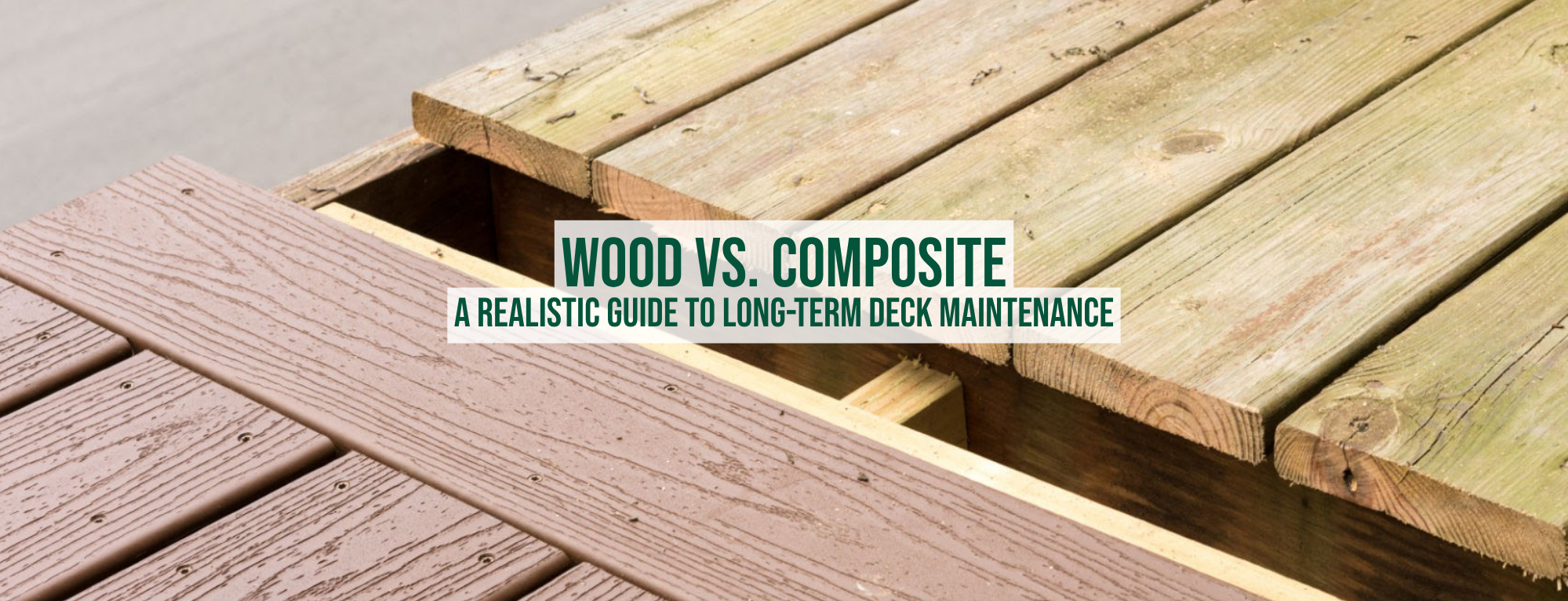
Choosing between wood and composite decking often comes down to long-term upkeep. While upfront costs vary, the primary difference is maintenance. Here is a straightforward look at the surface care and structural realities required for both materials.
SURFACE MAINTENANCE PROFILES
The top layer of your deck experiences direct exposure to weather, foot traffic, and UV rays. Each material handles this exposure differently, requiring distinct cleaning and preservation methods.
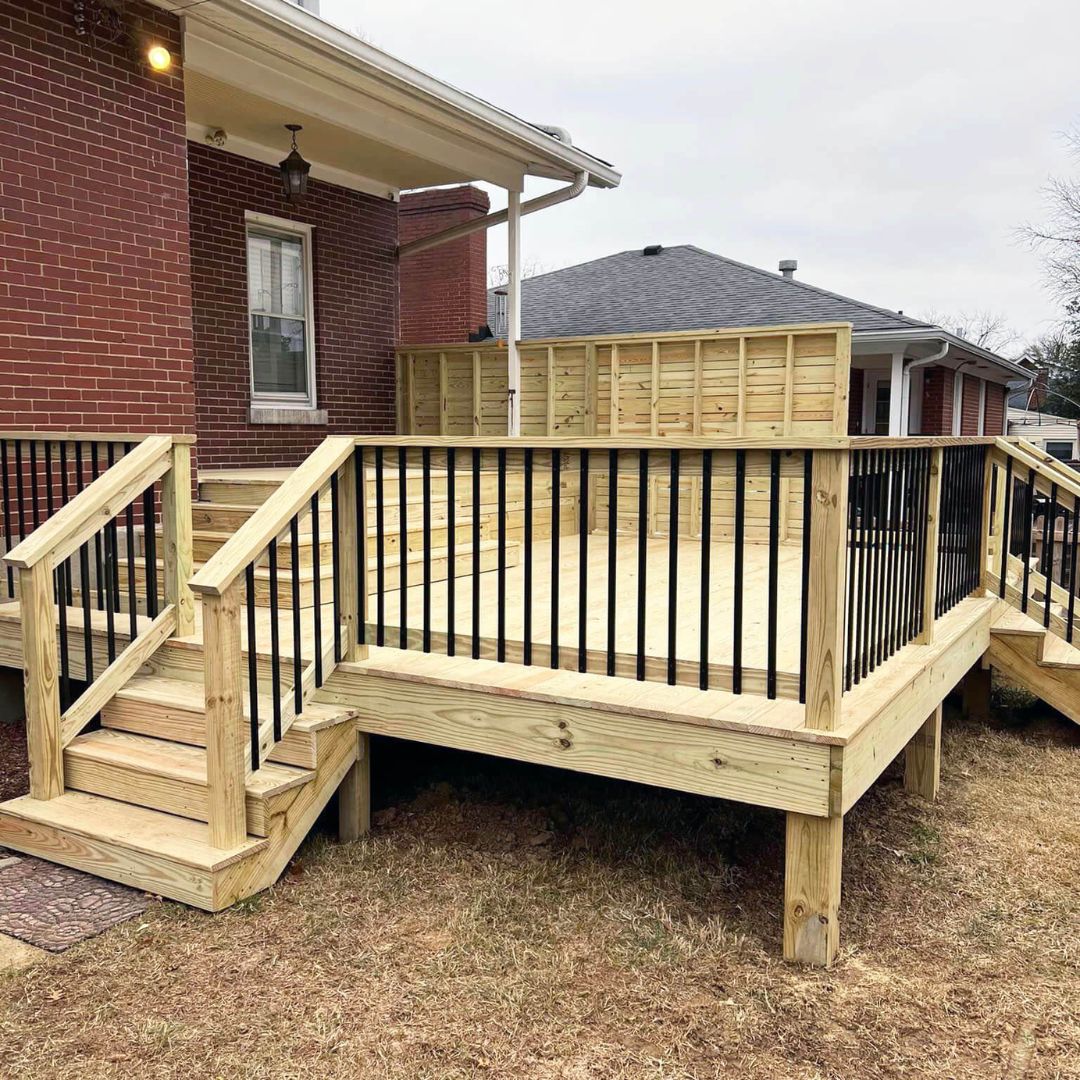
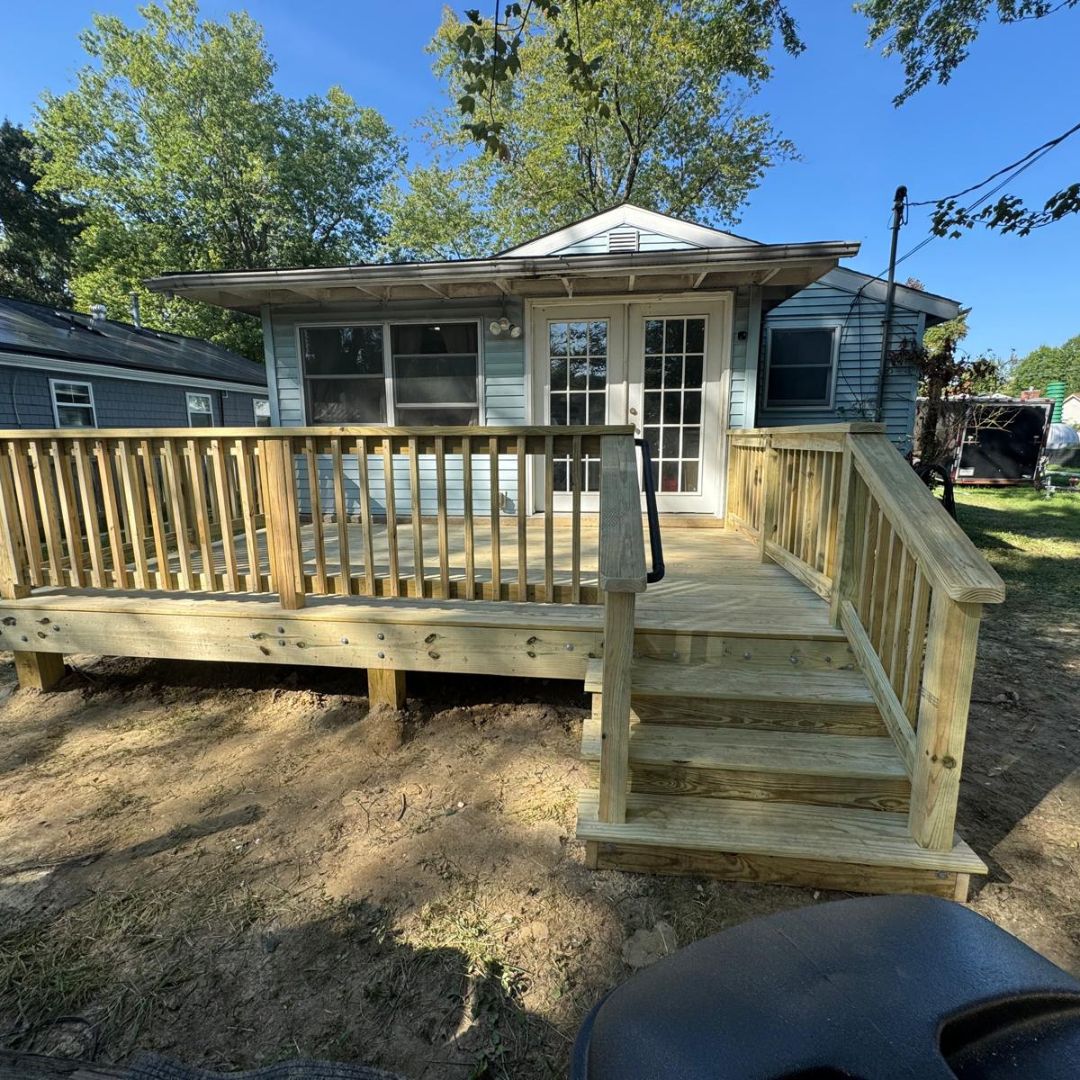
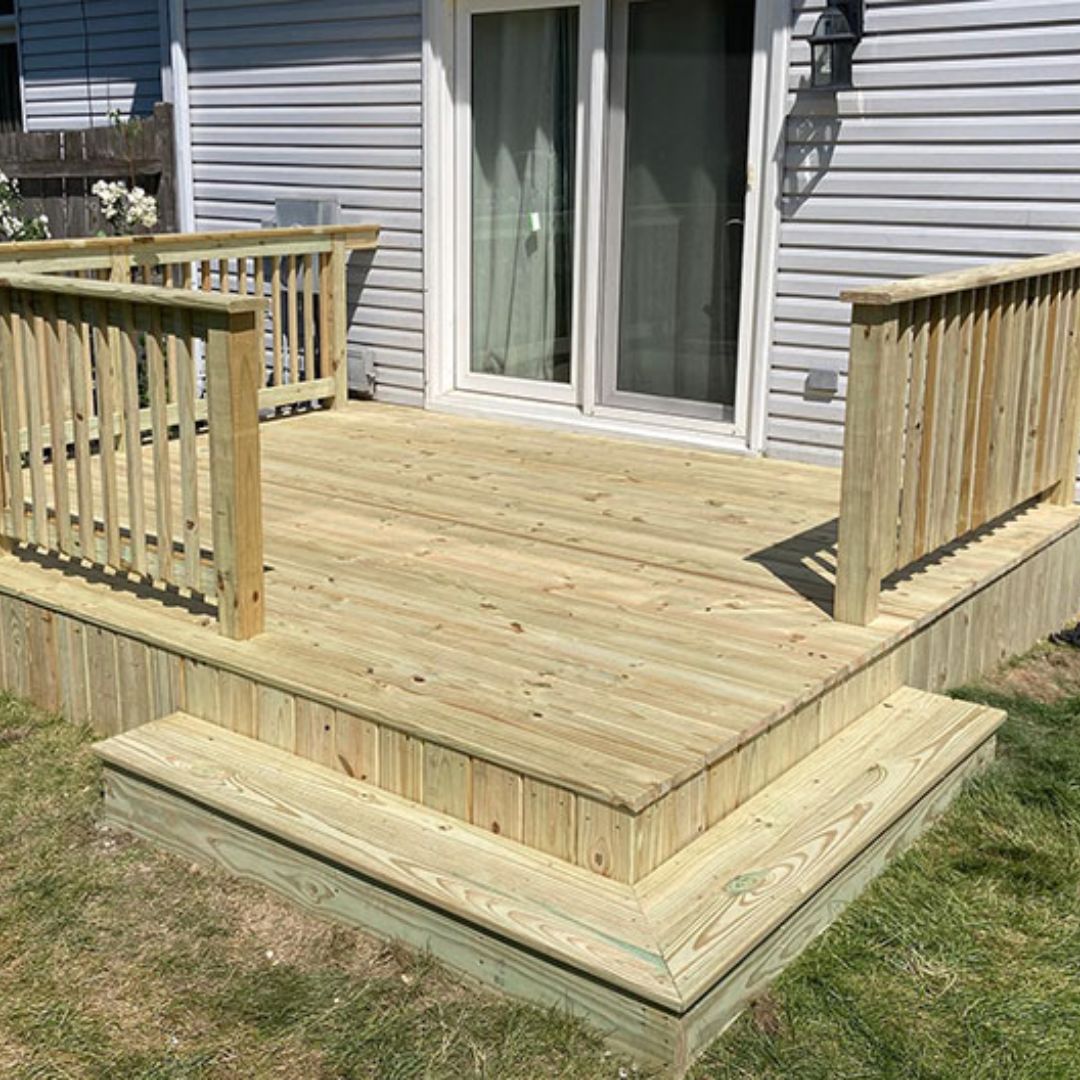
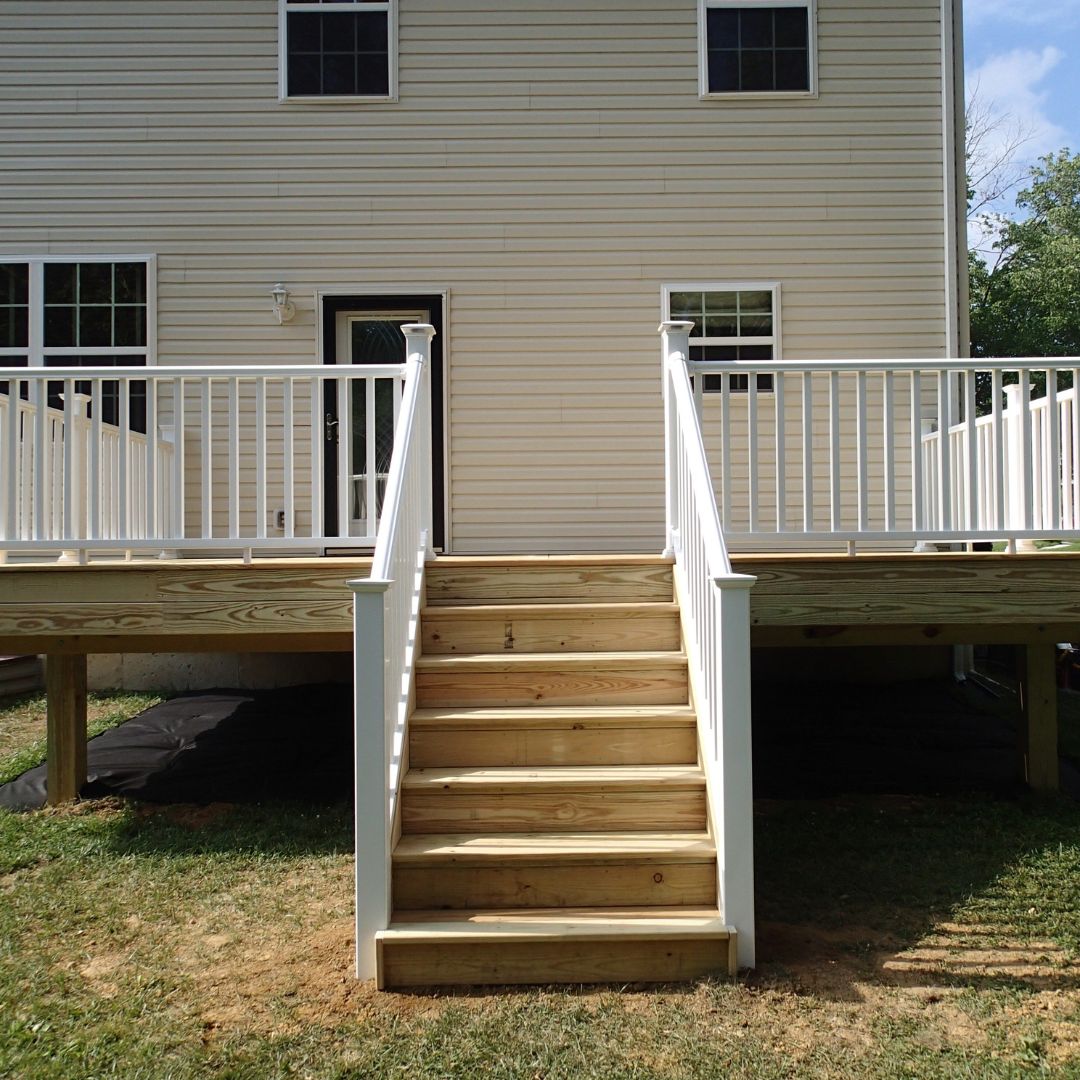
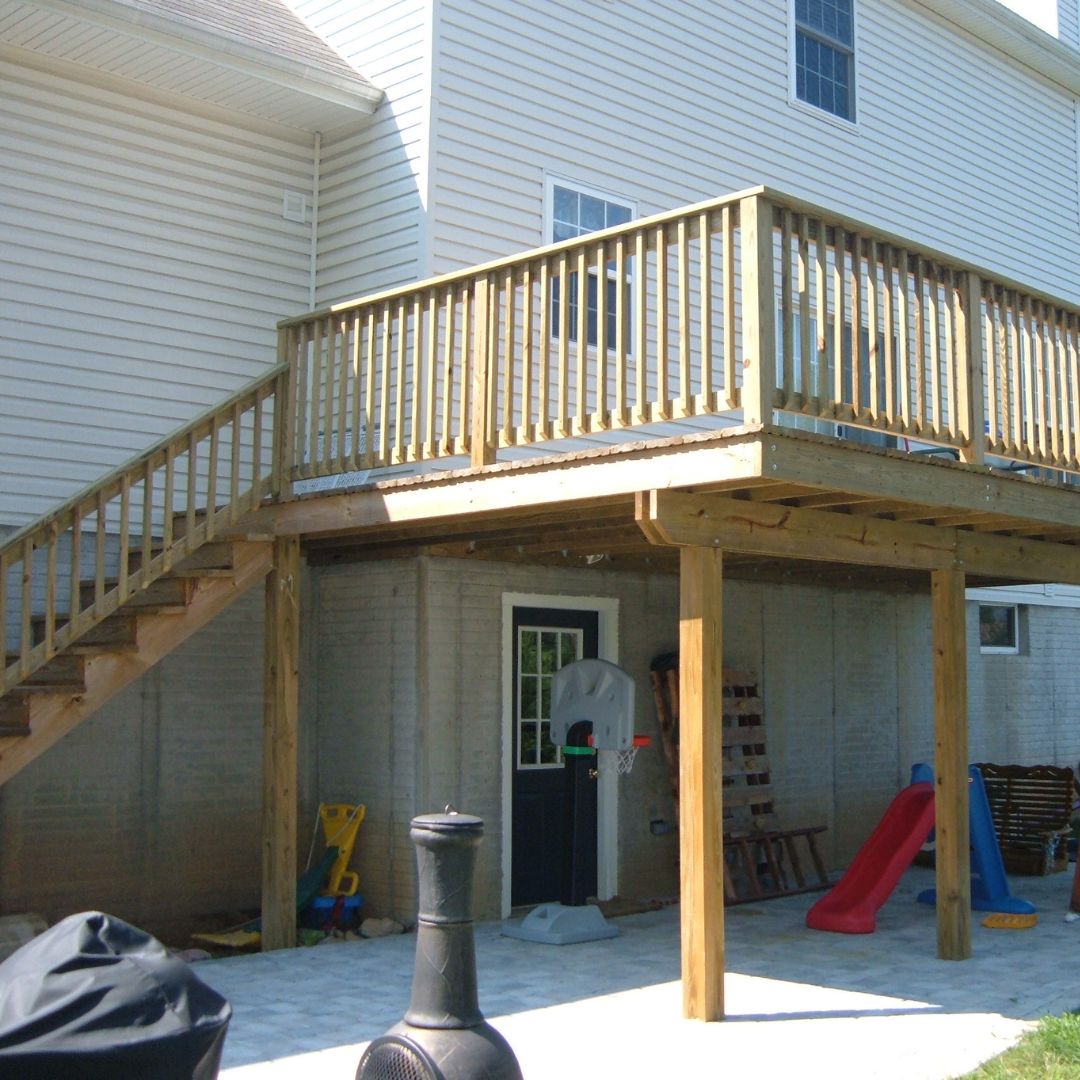
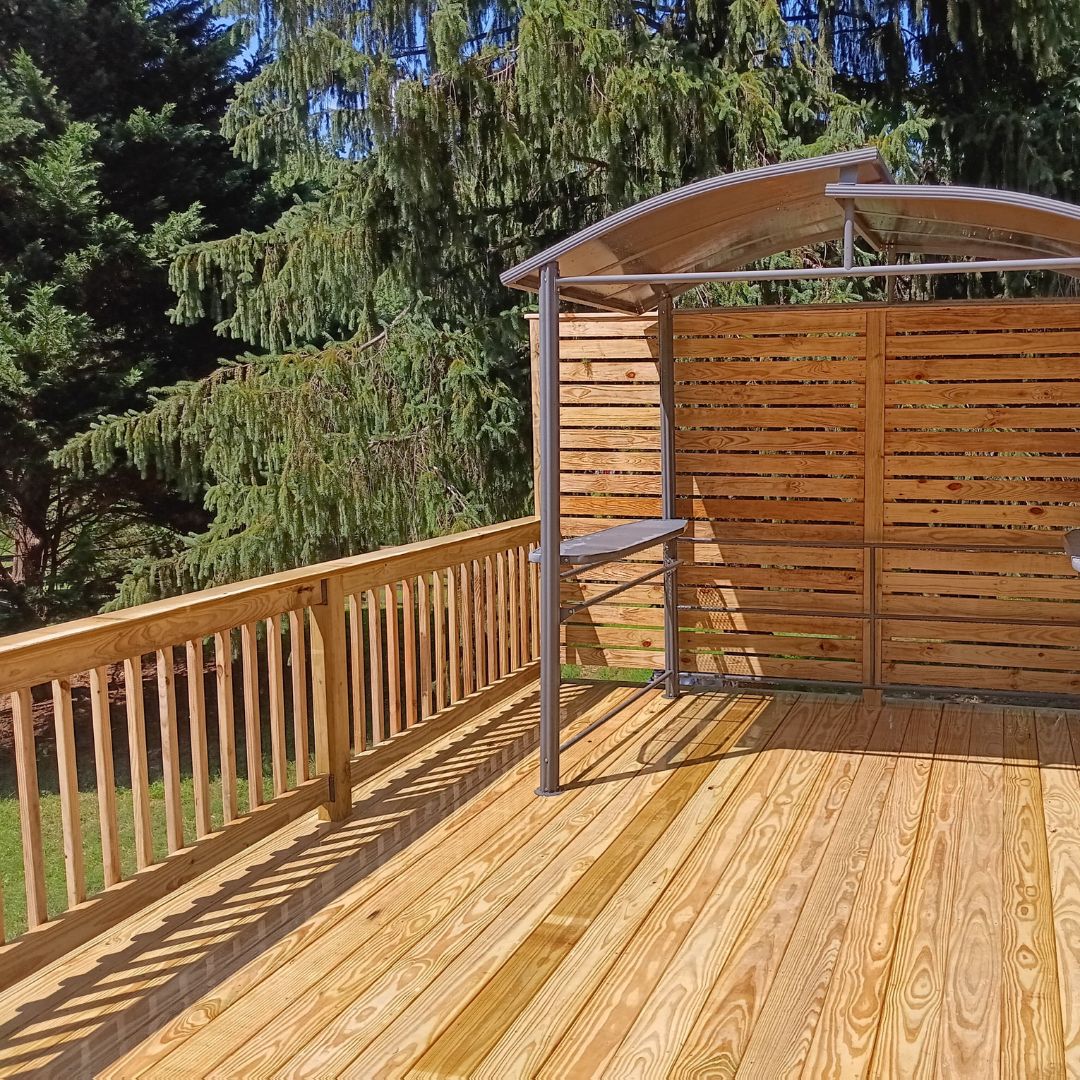
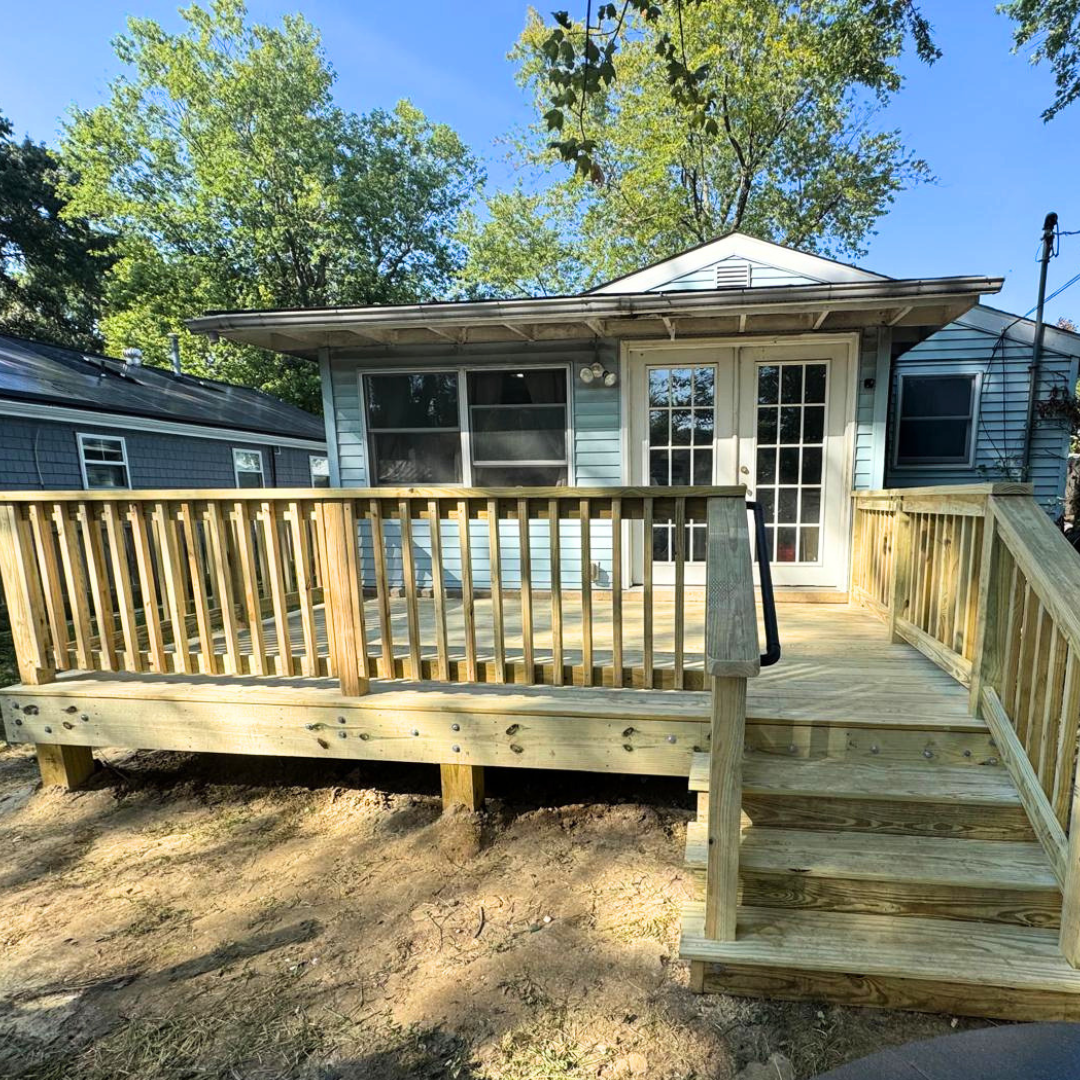
Pressure-Treated Wood
Because wood is a natural, porous substance, it absorbs and releases environmental moisture. This process causes the boards to expand and contract over time. To manage this natural movement and protect the material from moisture damage or rot, wood requires a regular preservation routine:
-
Deep Cleaning: Periodic power washing to remove surface dirt and organic growth.
-
Surface Preparation: Light sanding to smooth out rough patches caused by weathering.
-
Sealing and Staining: Applying a water-resistant sealant or stain every two to three years to maintain moisture protection.


PVC / Composite Decking
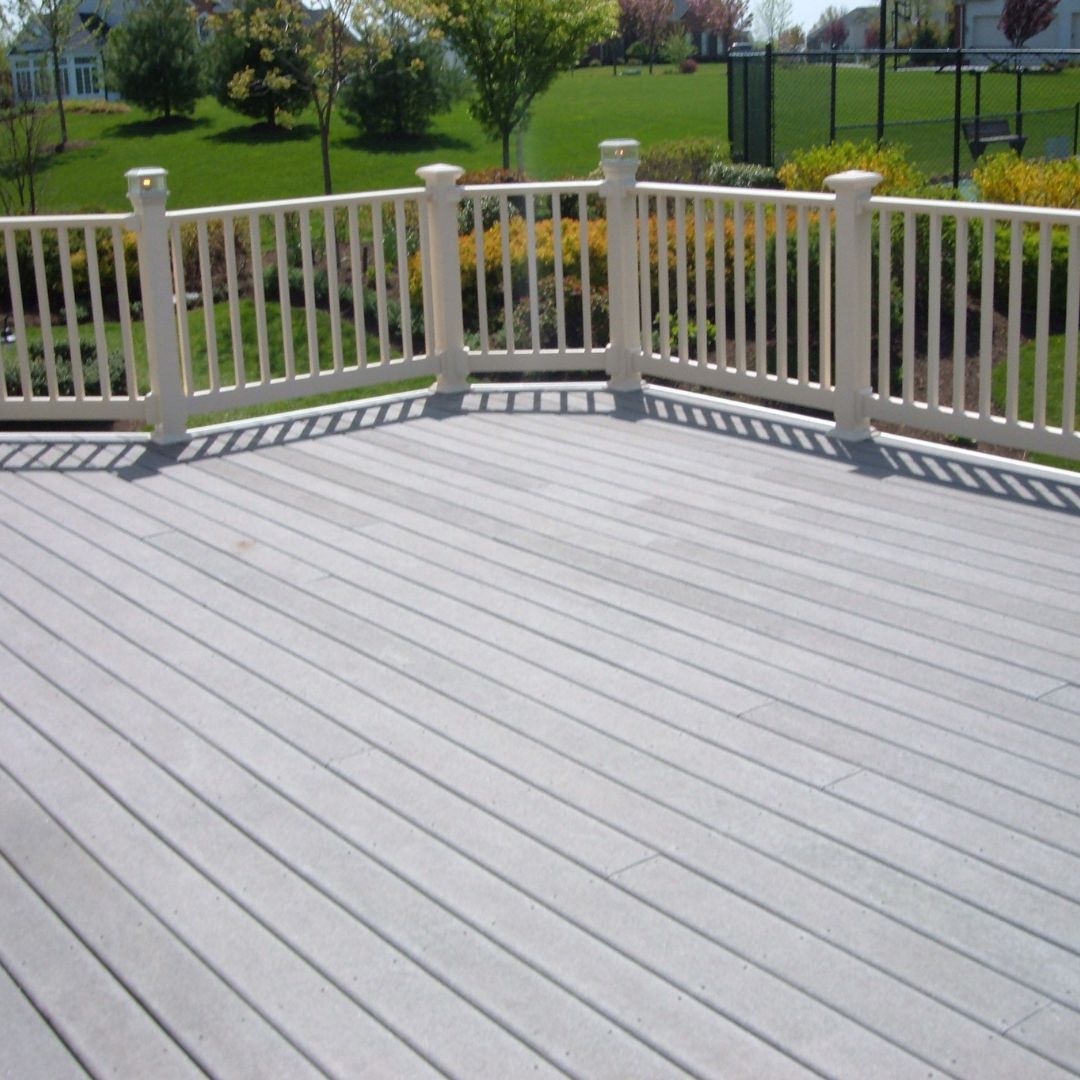
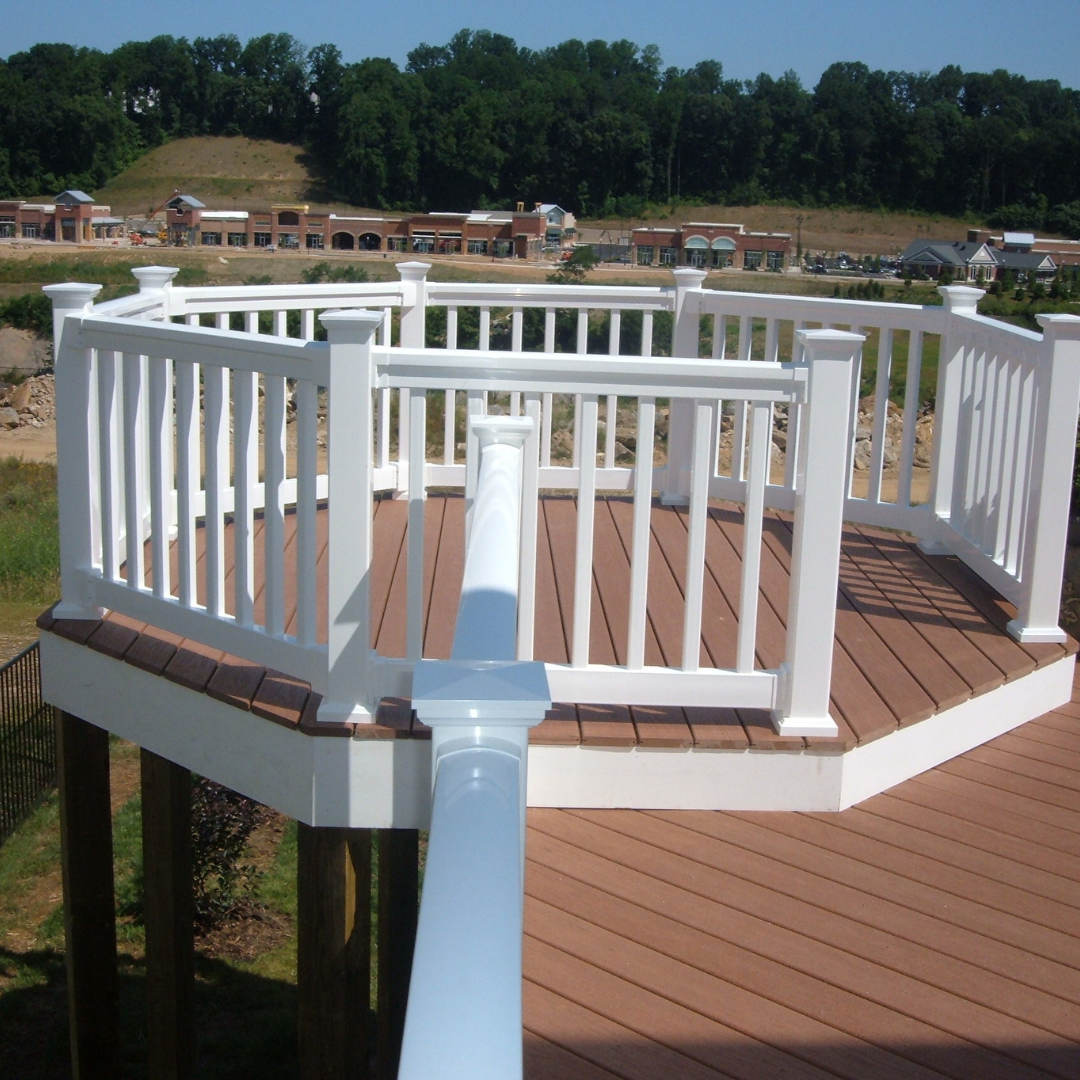
Composite boards are engineered from a combination of recycled plastics and wood fibers. The surface is non-porous and manufactured to withstand environmental elements without needing external protective barriers:
-
Routine Cleaning: The surface does not require sanding, staining, or sealing. Upkeep is generally limited to a standard wash with soap and water once or twice a year to remove dust, pollen, or surface stains.

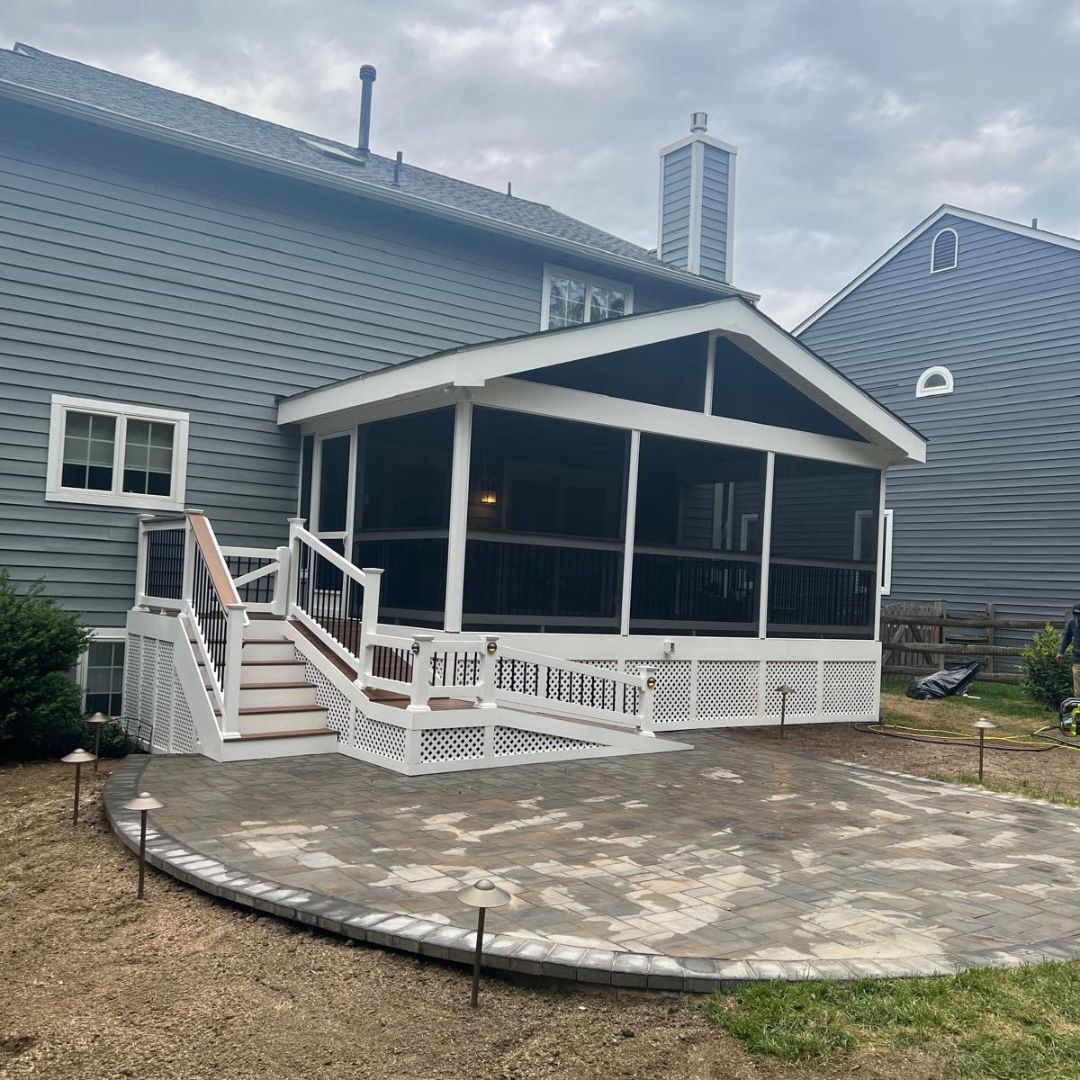
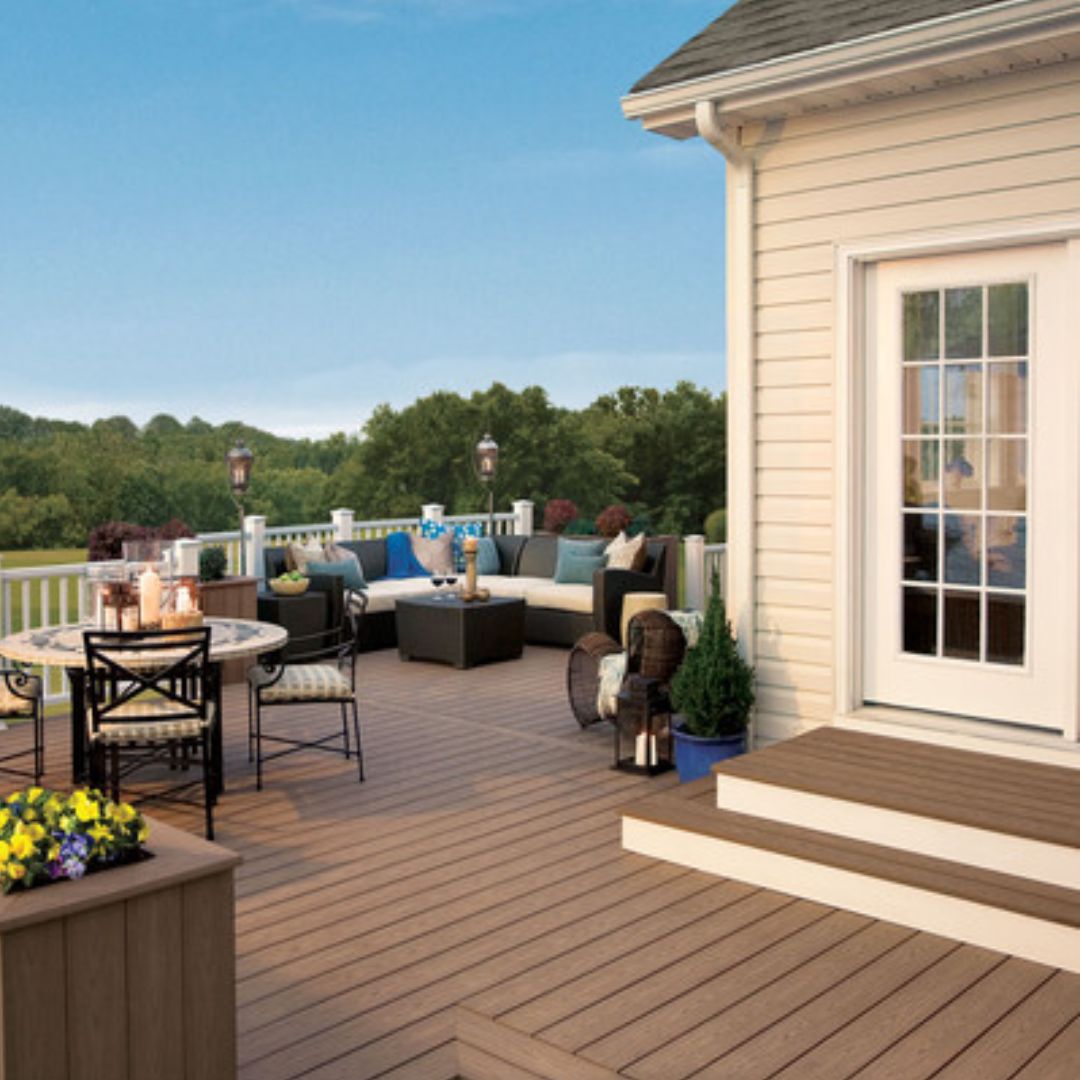


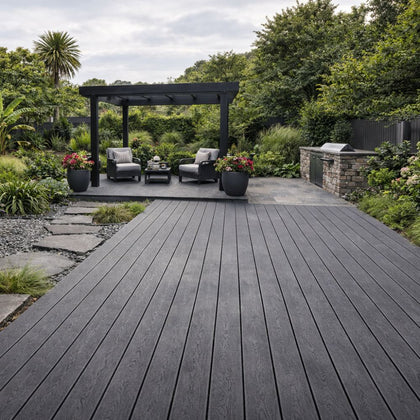
THE CRITICAL SHARED ELEMENT: THE WOOD FRAME
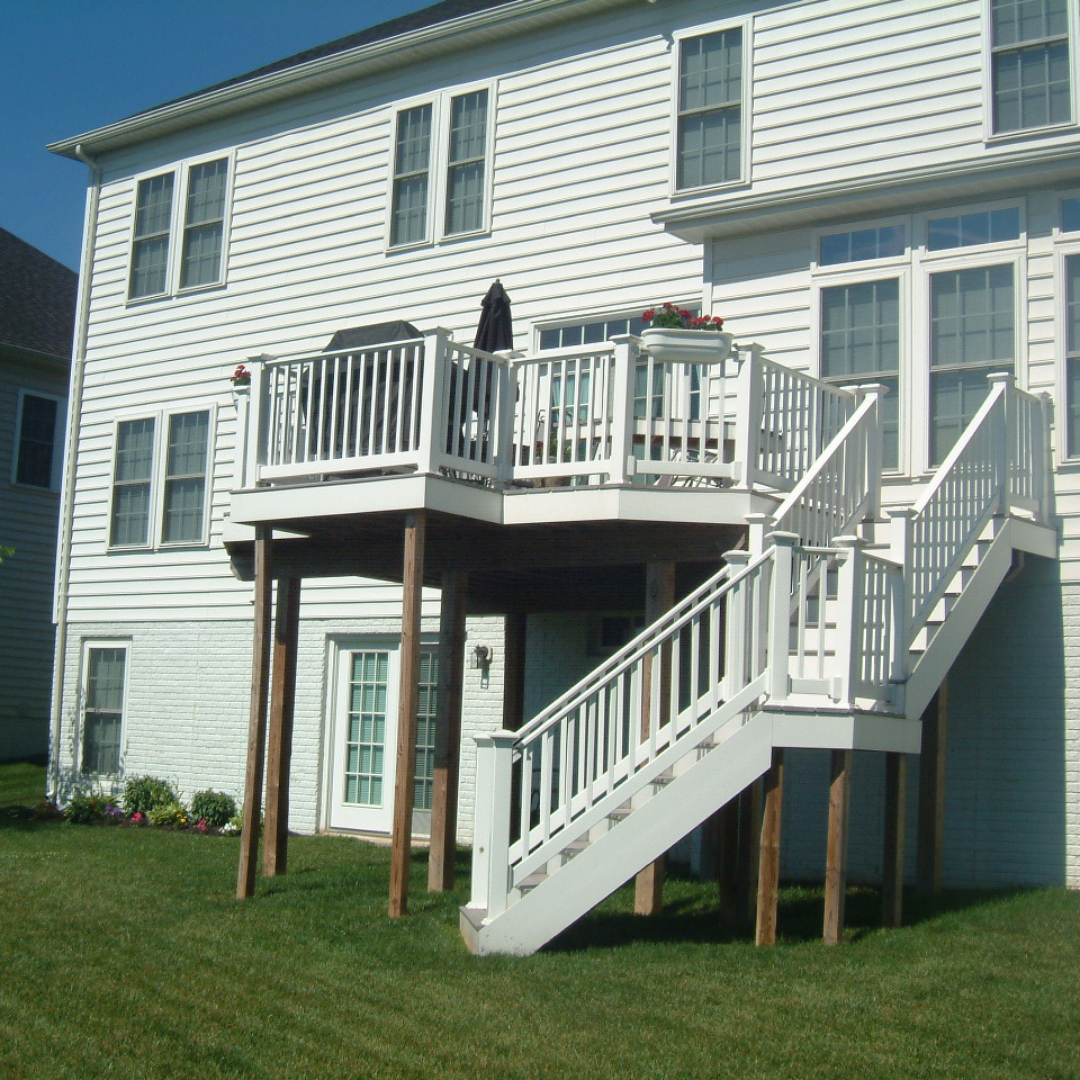
A common misconception is that a composite deck requires zero structural attention over its lifespan. While the top composite boards are engineered for low maintenance, the structural framework underneath—including the posts, beams, and joists—is almost always built using standard pressure-treated lumber.
The core strength of both deck types relies on a wood foundation, long-term maintenance must include checking the substructure:
-
Moisture Management: Ensuring proper ventilation and drainage beneath the deck so the wood framing can dry properly after rainfall.
-
Structural Inspections: Periodically checking the joists, hardware connectors, and ledger boards for signs of wear, shifting, or rot.
-
Frame Longevity: No matter how durable the surface material is, a deck’s overall lifespan is tied directly to the health and maintenance of its underlying wood frame.
ALIGNING MAINTENANCE WITH YOUR LIFESTYLE
Choosing between these two materials depends on how much time or budget you wish to allocate to home care over the years.
The Wood Lifecycle: A wood deck is well-suited for homeowners who prefer a natural aesthetic and do not mind dedicating a weekend every few years to sanding and sealing—or budgeting for a professional team to handle it. With regular attention, a wood deck provides a reliable, long-lasting outdoor space.
The Composite Lifecycle: A composite surface is ideal for those who prefer to minimize their direct labor on the deck surface itself. While it requires a higher initial investment, it streamlines seasonal upkeep to a simple cleaning, though you will still need to keep an eye on the wood framework underneath.


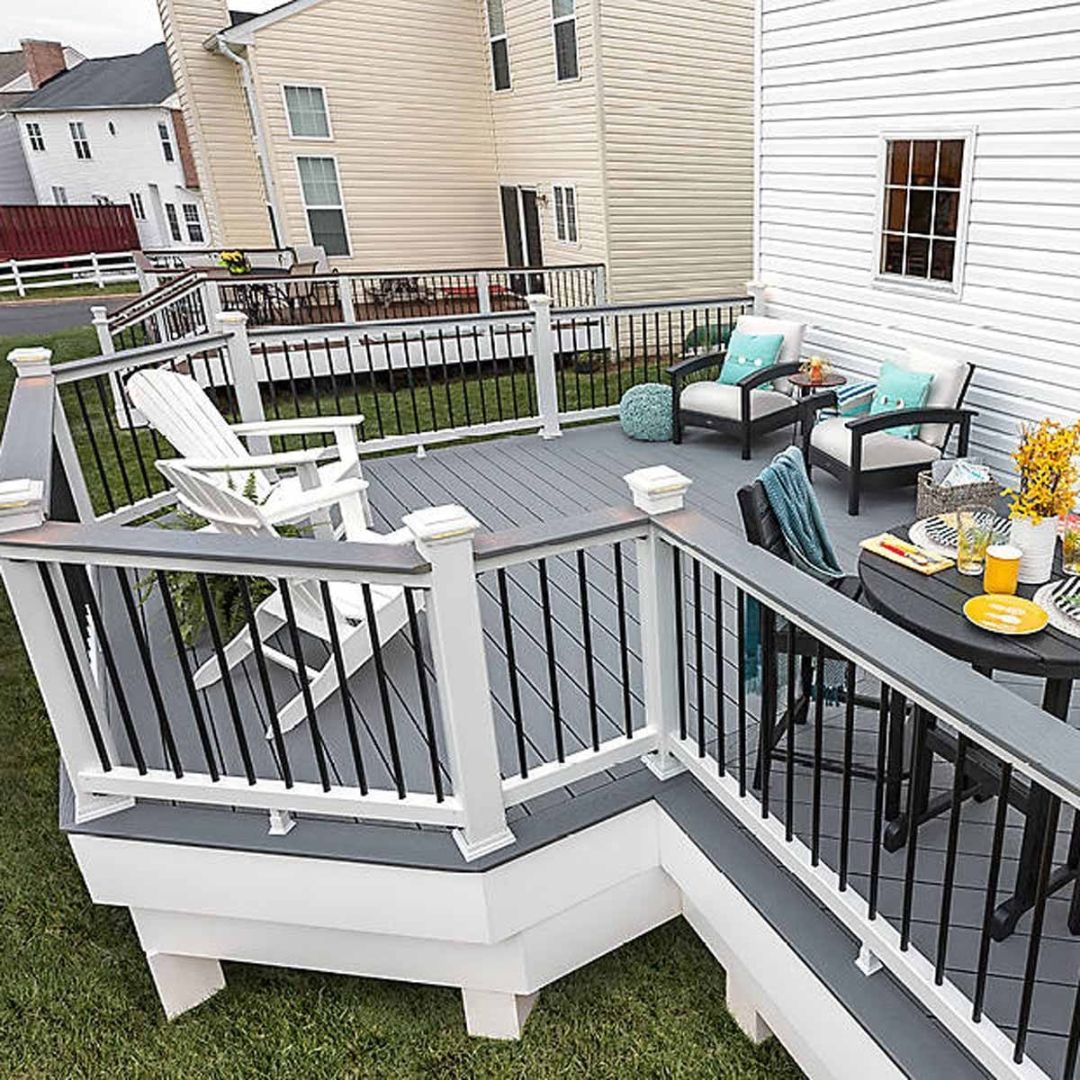



Head-to-Head Comparison
| FEATURE | PRESSURE-TREATED WOOD | PREMIUM COMPOSITE |
| Upfront Material Cost | Low to Moderate | Moderate to High |
| Annual Maintenance | Sanding, staining, and sealing | Simple soap and water wash |
| Expected Lifespan | 15–20 years | 20–25+ years |
| Potential Home Value | Can enhance curb appeal | May increase perceived home value |